
New to private label? Download our free 20-page guide to launching your first product.
Reverse engineering cosmetics means analyzing a finished cream, serum or lotion to work out its ingredients and approximate amounts, then building a new formula that matches its texture and performance. A lab combines the label’s ingredient list with instrument testing, and formulators refine samples until they match. At Welsdom, the analysis stage typically takes 2 to 6 weeks.
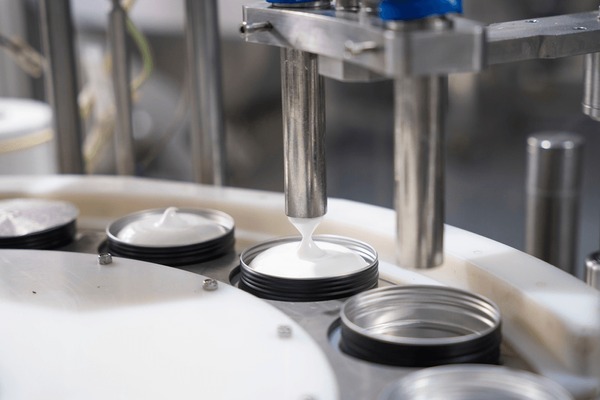
Founders usually come to reverse engineering for one of three reasons. Each one changes what “a good match” means, so we ask about it first. A supplier discontinued a product their customers love. A competitor has a bestseller and they want a version of their own. Or they have a favourite product and want something like it, under their brand, with cleaner ingredients. In each case the starting point is the same: a jar or bottle you can buy, and a list of what you want to keep or change.
What reverse engineering cosmetics can and can’t tell you
Formula matching is powerful, but it is not magic. So it helps to know the limits before you start.
What analysis can usually identify:
- The main ingredients: water phase, oils, emollients, humectants such as glycerin, and key actives like niacinamide or vitamin C derivatives.
- The approximate level of key actives, which is often what the brand cares about most.
- The preservative system and the pH.
- The type of emulsion, which drives how the product feels on skin.
What is hard to pin down exactly:
- The precise raw-material grade. Two hyaluronic acids or two emulsifier blends can share a name and behave very differently.
- Fragrance. A single “parfum” entry can hide many components. We usually match the scent profile rather than copy the fragrance.
- The process. Heating temperatures, mixing speed and the order of addition all change the final texture. Analysis hints at them, but samples confirm them.
- Trace ingredients. Ingredients below about 0.1% can be hard to quantify reliably.
That is why we judge a match on the result: texture, spread, absorption, scent, colour and stability. A matching ingredient list alone is not enough.
Step 1: Read the label like a formulator
The first clue sits on the box. In Canada, cosmetic labels list ingredients using INCI names. Ingredients present at 1% or more appear in descending order of concentration. Those under 1% can follow in any order. That rule tells a formulator a lot before any lab work starts.
For example, if a niacinamide serum lists niacinamide second, right after water, it is likely a high-percentage product. If a botanical extract sits after the preservative, its level is probably very low. Formulators typically use preservatives at around 1% or less. Health Canada’s guide for cosmetic notifications explains the ingredient naming and disclosure rules brands must follow.
Step 2: Instrument analysis in the lab
Next, the lab tests the product itself. Welsdom’s reverse engineering work uses methods such as:
| Method | What it shows |
|---|---|
| HPLC and LC-MS | Identifies and quantifies actives, preservatives and many water-soluble ingredients |
| GC-MS | Identifies volatile compounds, including fragrance components and some oils |
| FTIR spectroscopy | Fingerprints ingredient classes such as polymers, waxes and silicones |
| UV-Vis and NMR | Confirms specific compounds and supports quantification |
After that, simple bench tests fill in the rest: pH, viscosity, water content and how the product separates under heat or centrifuge. Together they give the formulator a working map of the product.
Step 3: Build and refine the matched formula
With the label and the lab data, a formulator writes a first draft. Then the side-by-side work begins. Because small changes add up, we change one or two things per round. We compare each sample with the original on:
- Appearance: colour, gloss, opacity.
- Texture: thickness in the jar, how it spreads, how fast it absorbs, any tackiness.
- Scent: the overall profile and how it changes on skin.
- Function: for example, how a cleanser foams or how a sunscreen-free moisturizer feels after an hour.
Most projects need a few sample rounds, since texture rarely matches on the first try. On custom skincare projects, refinement typically takes 1 to 3 rounds. This is also the point to make changes: remove an ingredient you don’t want, swap a preservative, raise an active level or make a fragrance-free version.
Welsdom’s reverse engineering timeline runs about 2 weeks for analysis, 2 weeks for recreating the formula and 2 more for an improved version, depending on complexity. The reverse engineering service page lays out that schedule.
Step 4: Test the new formula before production
Reverse engineering produces a new product, not a copy, so the formula needs its own testing. In fact, you should treat it like any other new formula. Even if the original has a long sales history, your version uses different raw materials and a different process.
- Stability testing checks that the product keeps its colour, scent, texture and pH over time and at different temperatures.
- Packaging compatibility confirms the formula doesn’t react with the jar, pump or tube.
- Preservative efficacy testing (also called a challenge test) confirms the preservative system protects the product once customers open and use it.
- Safety review checks every ingredient against the rules for your market.
Skipping these steps is the most common way a matched formula fails after launch: a cream separates on a warm shelf, or a serum darkens in a clear bottle.
Legal and regulatory points for reverse engineering cosmetics
Analyzing a product bought on the open market is common practice in the industry, and Welsdom only analyzes publicly available products and keeps every project confidential. Still, a few rules apply:
- Don’t copy the brand. Names, logos and packaging that look like the original can raise trademark problems, even if the formula is your own.
- Watch for patents. Some delivery systems and ingredient combinations carry patents. If the product you are matching is new or uses an unusual technology, ask an IP lawyer before you launch.
- Notify the product. In Canada, you must notify Health Canada within 10 days of a cosmetic’s first sale. Health Canada screens the ingredients against its Cosmetic Ingredient Hotlist.
- Check the claims. Some claims change a product’s classification. For example, Canada regulates sunscreens and acne-treatment products as drugs or natural health products, not as cosmetics.
- For the US, MoCRA requires facility registration and product listing for cosmetics. Plan for it if you sell in both countries.
What reverse engineering costs, and minimums
Costs vary with how complex the product is. A simple lotion is quicker to match than a multi-active serum with an unusual texture. Welsdom does not publish a fixed price list; the quote depends on the product, the number of sample rounds and the testing you need.
The good news for small brands is the run size. Once you approve the formula, Welsdom can produce a first run from 100 units. That lets you test the matched product with customers before you commit to inventory.
Frequently Asked Questions
Is reverse engineering cosmetics legal?
Analyzing a product you bought is common industry practice. The risks come from copying a brand’s name, packaging or a patented technology. Keep your branding distinct, and get legal advice if the original uses a patented system.
How accurate is cosmetic formula matching?
Analysis can usually identify the main ingredients, key active levels, preservatives and pH. Exact raw-material grades, fragrance blends and process details are harder, so side-by-side sample rounds confirm the final match.
How long does reverse engineering a cosmetic take?
At Welsdom, the analysis stage takes 2 to 6 weeks depending on complexity. Allow extra time for sample refinement and stability testing before your first production run.
Can reverse engineering match a discontinued product?
Yes, if you have a sample of the original. A sealed, unexpired unit gives the most reliable results, because older product may have changed colour, scent or active levels.
Can I improve the formula while matching it?
Yes. Many brands remove ingredients they don’t want, switch to a fragrance-free version, or adjust active levels. Each change needs testing, but it is often why a brand chooses formula matching.
If you have a product you want matched or improved, start the conversation on our custom formulation page.