
New to private label? Download our free 20-page guide to launching your first product.
HPP juice shelf life is typically 45 to 90 days under refrigeration, compared with about 3 to 7 days for raw, unprocessed juice. The exact date depends on your recipe, the starting quality of the fruit, the process settings and, above all, the cold chain. HPP juice must stay refrigerated from the processing room to the customer’s fridge.

High pressure processing (HPP) lets a juice brand sell a product that tastes close to fresh-pressed, with no added preservatives. However, that freshness comes with a catch. HPP juice is a refrigerated product for its whole life, and the shelf life you print is only as good as the coldest link in your supply chain. This guide covers what sets the date and how to protect it.
How HPP extends juice shelf life
HPP puts sealed bottles into a chamber filled with water and applies extreme pressure, up to 600 MPa (about 87,000 psi). The pressure inactivates harmful bacteria such as Listeria, Salmonella and E. coli, as well as many spoilage yeasts and moulds. Because the process uses no heat, the juice keeps its fresh flavour and colour.
Here is how the main options compare:
| Method | Typical shelf life | Storage | Trade-off |
|---|---|---|---|
| Raw, unprocessed juice | About 3 to 7 days | Refrigerated | Very short sales window |
| HPP juice | Typically 45 to 90 days | Refrigerated | Needs a full cold chain |
| Heat-pasteurized juice | Up to 12 to 18 months | Room temperature | Cooked taste, fewer heat-sensitive nutrients |
| Juice concentrate | Long, depending on format | Often room temperature | Customer dilutes to serve |
HPP is not sterilization, though. It does not destroy bacterial spores, and some enzymes keep working slowly. That is why HPP juice still needs refrigeration and a date.
What sets your HPP juice shelf life
No two recipes get the same date. These factors decide where your juice lands in the 45 to 90 day range:
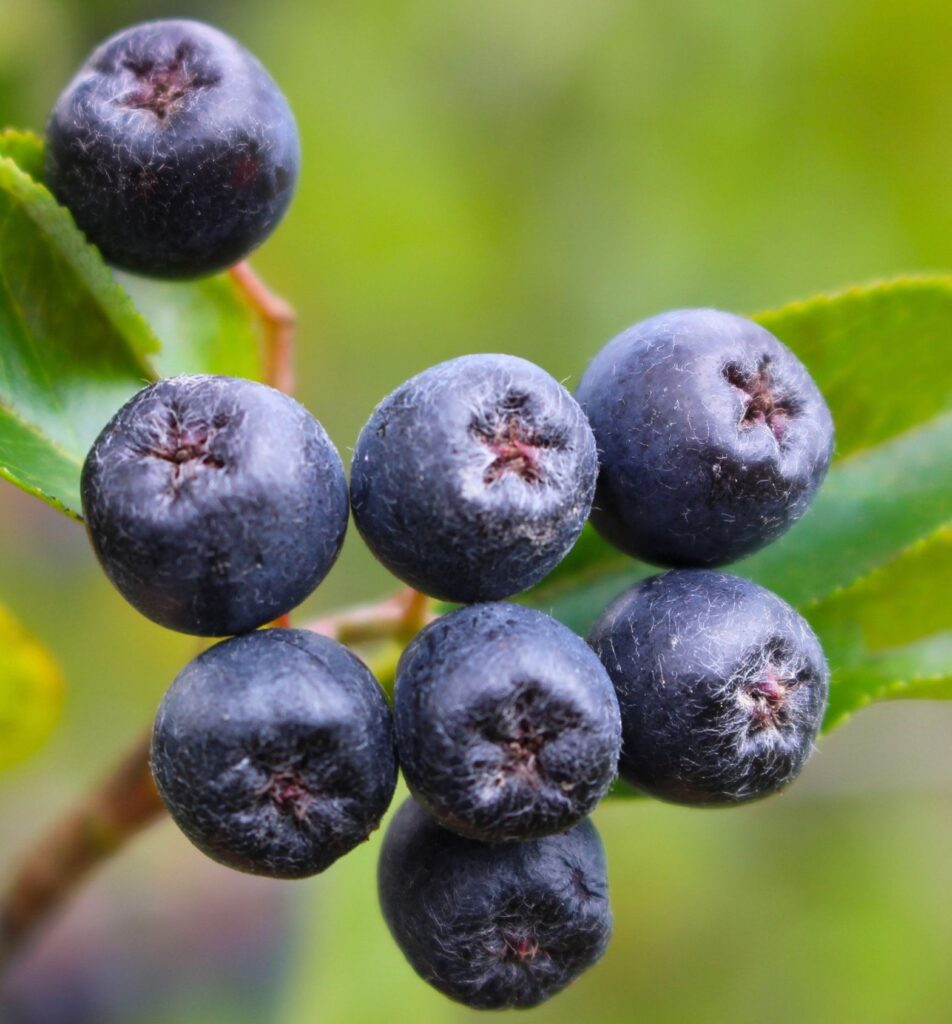
- Acidity (pH). High-acid juices such as aronia, citrus and berry blends are more forgiving. Low-acid juices, such as many vegetable blends and nut milks, need much tighter control.
- Starting quality. Clean, fresh fruit with a low microbial load gives the process less work to do. Bruised or warm fruit shortens the date.
- Process settings. Pressure and hold time affect how many microbes the process inactivates.
- Ingredients. Added fibre, pulp, plant proteins or botanicals can change how the juice ages, separates or browns.
- Packaging. HPP needs packaging that flexes under pressure, such as PET bottles and pouches. The material and seal also affect how much oxygen reaches the juice.
- Storage temperature. This is the factor you control after production, and it matters most.
Shelf life is set by testing, not by guessing
A brand shouldn’t print a date because a competitor uses it. Instead, the date comes from a shelf-life study on your actual recipe and bottle. During the study, samples sit in cold storage, and the lab tests them at intervals for:
- Microbial counts: total plate count, yeasts and moulds.
- Sensory quality: taste, smell, colour and separation.
- Chemistry: pH and, for some products, Brix or vitamin levels.
Most brands set the printed date with a safety margin before the point where quality starts to drop. Also, any change to the recipe, bottle or process usually means checking the date again.
In Canada, prepackaged foods with a durable life of 90 days or less must carry a “best before” date and storage instructions when they need conditions other than room temperature. For HPP juice, that means “Keep Refrigerated” on the label. The CFIA explains the rules on its date markings and storage instructions page.
The cold chain, link by link
The cold chain is every step where your juice could warm up. A break at any point eats into HPP juice shelf life, even if the bottle looks fine.
At the plant. Juice goes straight from processing into cold storage. Pallets should not sit on a warm loading dock.
In transit. Use refrigerated trucks for wholesale orders, and ask carriers for temperature records on longer routes. Summer and winter both bring risks: summer heat warms juice in transit, and freezing can crack bottles or change texture.
At the warehouse or 3PL. Choose a partner with refrigerated storage and first-expired, first-out rotation. A general fulfilment warehouse without cold storage is not suitable for HPP juice.
At retail. HPP juice needs space in a refrigerated case. Natural food stores, specialty grocers and food service accounts are the usual first channels for that reason.
Direct to consumer. Ship in insulated boxes with cold packs, and choose fast services. Many brands ship early in the week so boxes don’t sit in a depot over a weekend.
In the customer’s fridge. Print clear storage directions, and consider a “consume within a few days of opening” line if your testing supports it.
The FDA’s juice HACCP guidance makes the same point for refrigerated juices. It recommends “Keep Refrigerated” labelling where the process doesn’t destroy certain spores, and it notes that short, moderate temperature abuse is different from long exposure to warm temperatures. See the FDA juice HACCP guidance if you plan to sell in the US. It also sets the 5-log pathogen reduction standard that a juice process must meet there.
Planning your launch around the date
A 45 to 90 day window shapes your whole business model. Before your first run, work through these questions:
- How fast will it sell? Count backwards from the date. If a retailer needs 30 days of shelf life on delivery, your production, shipping and warehouse time must fit inside what remains.
- How big should the first run be? Small runs reduce the risk of expired stock. At Welsdom, private label aronia juice starts at 100 units, so you can match production to real sales.
- Which sizes? Our common sizes are 2 fl oz (60 mL) shots, 9 fl oz (270 mL) daily bottles and 32 fl oz (946 mL) family sizes. Single-serve shots often sell faster per unit.
- Do you need a shelf-stable option? For e-commerce, international sales or channels without fridges, a concentrate can work better than a fresh HPP bottle.
- What does your reorder rhythm look like? Plan smaller, more frequent runs instead of one large batch.
Common mistakes that shorten shelf life
We see the same few problems on new juice launches:
- Ordering too much. A large first run looks cheaper per bottle. However, expired stock costs more than a higher unit price.
- Skipping the courier test. Before launch, ship a test box to your farthest customer and check the temperature on arrival.
- Using a warehouse without cold storage. Even a few days at room temperature can cut weeks off the date.
- Changing the recipe without retesting. Because a new ingredient can change how the juice ages, the old date may no longer hold.
Typical lead time from approved sample to finished product is 4 to 8 weeks, depending on the formula, packaging availability and order size. Our post on the benefits of HPP for juice explains the process side in more detail.
Frequently Asked Questions
How long does HPP juice last?
HPP juice typically lasts 45 to 90 days in the refrigerator before opening. Raw juice lasts about 3 to 7 days. Your exact date comes from a shelf-life study on your recipe, bottle and process.
Does HPP juice need to be refrigerated?
Yes. HPP doesn’t sterilize juice, so it must stay cold from processing to the customer’s fridge. Labels should say “Keep Refrigerated,” and warm storage shortens the shelf life.
Can HPP juice be shipped direct to consumers?
Yes, with insulated packaging, cold packs and fast shipping. Many brands ship early in the week to avoid weekend delays. For long distances, a shelf-stable concentrate may be a better fit.
What packaging works for HPP juice?
HPP needs packaging that can flex under pressure, such as PET bottles and flexible pouches. Your manufacturer should confirm the bottle and cap before you order packaging.
Is HPP juice shelf life the same for every recipe?
No. High-acid juices such as aronia and berry blends usually hold up better than low-acid vegetable juices or nut milks. Pulp, added ingredients and packaging also change the result.
If you’re planning a refrigerated juice line and want to size your first run around a real shelf life, start with our private label aronia juice program.