
New to private label? Download our free 20-page guide to launching your first product.
Vegan capsules, usually made from HPMC (hypromellose), suit plant-based brands and moisture-sensitive formulas. Gelatin capsules come from animal collagen and usually cost less. The right choice depends on your buyers, your fill and your budget. Vegan capsules hold less water and absorb less moisture, while gelatin shells need 12% to 16% water to stay intact.
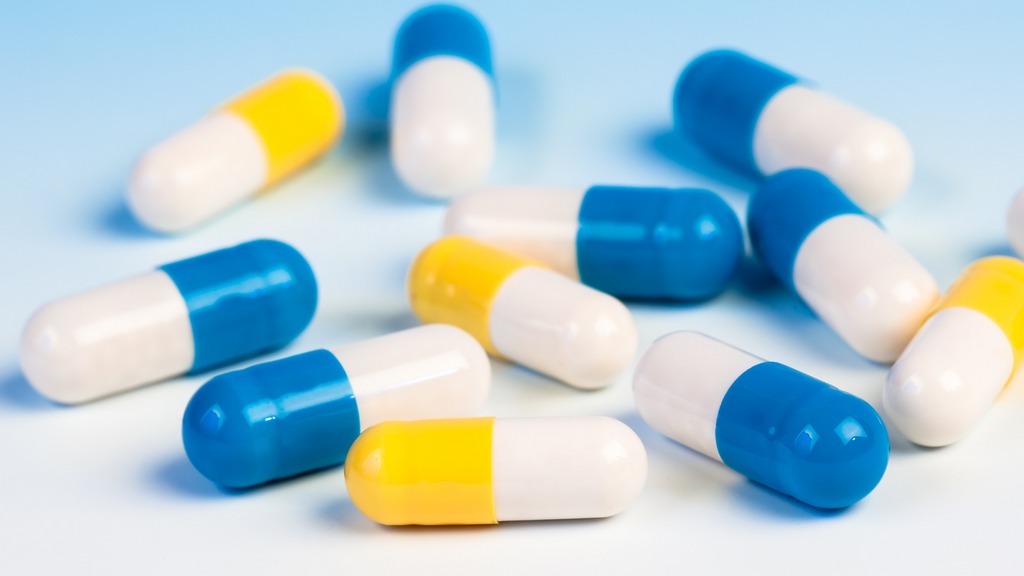
Key takeaways
- Gelatin hard capsules need about 12% to 16% moisture to stay intact, according to a 2017 review in the Indian Journal of Pharmacology.
- HPMC vegan capsules hold about 2% to 6% moisture in the same review, which helps with moisture-sensitive fills.
- HPMC shells let more oxygen through, so oxygen-sensitive formulas may need an antioxidant or blister packs.
- The same review found no significant difference in peak blood levels or total exposure between the two shell types.
The shell is a small part of a capsule product, but it touches your label, your claims, your costs and your shelf life. Founders often pick vegan capsules because their brand is plant-based, then learn that the shell also changes how the formula behaves. This guide compares the two shells on the points that matter for a private label launch.
What vegan capsules and gelatin capsules are made of
Gelatin capsules are made from gelatin, which comes from the hydrolysis of animal collagen. The 2017 review Are your capsules vegetarian or nonvegetarian describes gelatin shells as typically of animal origin. Gelatin has a long track record, wide supply and well-known filling behaviour.
Vegan capsules are most often made from hydroxypropyl methylcellulose, listed on labels as hypromellose or HPMC. The same review calls HPMC cellulose-based and notes that its manufacture is a synthetic process. Some HPMC shells use a gelling agent such as carrageenan or gellan gum, while newer versions don’t need one.
One catch: the review warns that a capsule’s vegetarian status can be hard to confirm, because manufacturing may involve animal-derived reagents. So if you plan a vegan claim, ask your capsule supplier for a written vegan or vegetarian statement and keep it on file.
Vegan capsules vs gelatin: the side-by-side
| Factor | Gelatin capsules | Vegan capsules (HPMC) |
|---|---|---|
| Source | Animal collagen | Cellulose-based |
| Shell moisture | About 12% to 16% | About 2% to 6% |
| Low humidity | Can turn brittle | Less prone to brittleness |
| Oxygen | Lower permeability | Higher permeability |
| Ageing | Can cross-link and dissolve slower | Confirm with stability data |
| Cost | Usually lower | Usually higher |
| Buyer appeal | Fine for most mainstream buyers | Needed for vegan and many vegetarian buyers |
The moisture row drives most technical decisions, because a gelatin shell gets its flexibility from water. Below its range it can become brittle, and above it the shell softens and turns sticky. Also, that water can move into a dry, moisture-loving powder inside the capsule. HPMC starts with far less water, so it suits fills that clump or degrade with moisture.
When vegan capsules are the better choice
Choose vegan capsules when one of these applies:
- Your brand is plant-based. A vegan brand with gelatin capsules invites complaints and returns.
- Your fill is hygroscopic. Powders that pull in water, such as some extracts and electrolyte salts, often behave better in HPMC.
- You sell into dry climates or ship in winter. HPMC is less likely to crack when the air is dry.
- Your buyers avoid animal products for religious or cultural reasons. HPMC avoids the question of the gelatin source.
A 2025 study in the journal Pharmaceutics compared inhalation-grade versions of the two shells at 25 °C and 75% relative humidity. It found that HPMC took up moisture faster at first. However, gelatin reached a higher water level that softened the shell. The authors judged HPMC more suitable for moisture-sensitive actives. You can read the humidity study for the detail.
When gelatin capsules still make sense
Still, gelatin is not the wrong answer. It often wins on cost, and the 2017 review described non-gelatin raw materials as about four times costlier at the time. Prices move, so get current quotes for both shells.
Gelatin also has a lower oxygen permeability than HPMC. For a fill that oxidizes easily, a gelatin shell or protective packaging may be the simpler fix. However, gelatin can cross-link as it ages, especially with aldehyde traces in the fill. Cross-linked shells dissolve more slowly, which is why stability testing matters for gelatin products too.
How the shell shows up on your label
The capsule shell is an ingredient, so it appears on the label. In Canada, the Natural Health Products Regulations require a list of non-medicinal ingredients by common name. That list includes the shell, such as gelatin or hypromellose. In the US, the shell goes in the “Other ingredients” list on a dietary supplement label.
So your label wording must match what the supplier sells you. Don’t print “vegan” or “vegetarian” until you hold supporting documents. Also note that some gelatin buyers ask about the animal source, so be ready to answer if you use gelatin.
A 6-question checklist before you choose
Answer these with your formulator before you request a quote:
- Will the brand or product page say vegan or vegetarian?
- Does the fill clump, cake or absorb water in an open dish?
- Is any active known to oxidize, and will the bottle use a desiccant or blister?
- Where will the product be stored and shipped, and in what seasons?
- What is the target unit cost, and how much does the shell move it?
- Does stability data exist for this fill in this shell type?
If the answer to question 6 is no, plan stability work before launch. Our post on stability testing for skincare and supplements explains what that involves. Changing the shell later can mean new stability work, so it pays to decide early.
How Welsdom approaches the capsule choice
First, our formulation team reviews the fill, the claims and the packaging together. Moisture control and light protection are part of how we design a stable product. We also check how the formula behaves in the chosen packaging, since a desiccant or a different bottle can matter as much as the shell. If you’re still choosing a format, our comparison of capsules, gummies and powders is a good place to start.
Related guides
- Capsules vs gummies vs powders: decide whether a capsule is the right format at all.
- Stability testing for skincare and supplements: how shelf life is set and when to repeat it.
- Custom supplement formulation: how a formula, including its shell, comes together.
Frequently Asked Questions
What are vegan capsules made of?
Most vegan capsules are made from hydroxypropyl methylcellulose, also called hypromellose or HPMC. It is cellulose-based. Some versions use a gelling agent such as carrageenan or gellan gum.
Are vegan capsules better than gelatin capsules?
Not always. Vegan capsules hold less moisture and suit plant-based brands and moisture-sensitive fills. Gelatin usually costs less and lets less oxygen through. The better choice depends on your fill, your buyers and your budget.
Do vegan capsules dissolve as well as gelatin?
In water, both shells dissolve in a similar way, according to a 2017 review. The same review found no significant difference in peak blood levels or total exposure between them. Very acidic conditions can slow the opening of some HPMC shells.
Can I call my supplement vegan if it uses HPMC capsules?
Only if the whole product is vegan and you can support the claim. The shell is one part. Ask each supplier, including the capsule maker, for a written statement, because some processes use animal-derived materials.
Do I need new stability testing if I switch from gelatin to vegan capsules?
Usually it’s wise. The shell changes moisture and oxygen exposure, which can change shelf life. Talk to your manufacturer about what data you need before you switch.
When you’re ready to match the right shell to your formula, talk to our team about custom formulation.