
New to private label? Download our free 20-page guide to launching your first product.
As interest in natural immune support grows, aronia berry has attracted increasing attention from researchers and wellness practitioners alike. With one of the highest antioxidant concentrations of any fruit, aronia (chokeberry) is often cited as a potential ally in maintaining immune resilience. But what does the actual research say — and how does aronia’s nutritional profile support immune health? Here’s an evidence-informed overview.
Important: Aronia berry products are not intended to diagnose, treat, cure, or prevent any disease. The following information is for educational and nutritional purposes only. Always consult a qualified healthcare provider for personalized health advice.
Aronia Berry’s Immune-Relevant Nutrient Profile
Before diving into research, it helps to understand which specific compounds in aronia berry are thought to support immune function:
1. Vitamin C
Aronia berries provide approximately 21mg of Vitamin C per 100g — roughly 23% of the daily value. Vitamin C is one of the most well-established micronutrients for immune function. It supports the production and function of white blood cells, acts as an antioxidant protecting immune cells from oxidative damage, and is essential for skin barrier integrity — your body’s first line of defense against pathogens.
2. Anthocyanins
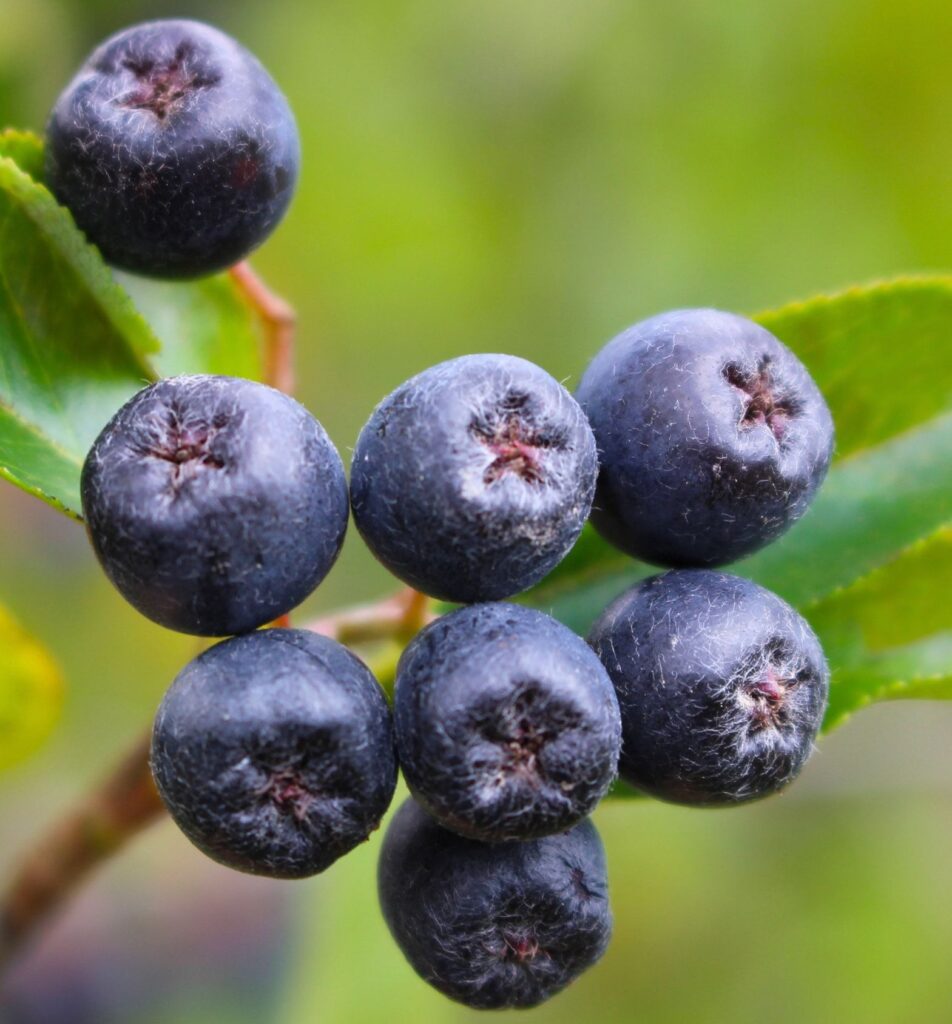
Aronia berries contain 1,480–1,750mg of anthocyanins per 100g — among the highest of any known fruit. Anthocyanins are the deep purple-blue plant pigments that give aronia its distinctive colour. These flavonoids have been extensively studied for their antioxidant and anti-inflammatory properties, and emerging research suggests they may support immune signalling pathways, though human clinical data is still developing.
3. Proanthocyanidins
Aronia is exceptionally rich in proanthocyanidins (condensed tannins) — oligomeric compounds that contribute to the berry’s astringent taste and are the subject of growing research interest. Proanthocyanidins are associated with supporting gut barrier integrity, which is now widely understood as a key component of immune health — approximately 70–80% of the immune system’s activity is associated with the gut.
4. Quercetin and Chlorogenic Acids
Aronia also contains quercetin — a flavonoid with a substantial body of research behind it for anti-inflammatory and antiviral-adjacent properties — and chlorogenic acids, which are polyphenols studied for their antioxidant effects and their role in supporting healthy inflammatory responses.
What Research Has Been Conducted on Aronia and Immunity?
Aronia berry has been the subject of a growing number of in vitro, animal, and some human studies. Here is a summary of the research landscape as of early 2025:
Antioxidant Capacity Studies
Multiple studies have confirmed aronia berry’s exceptional antioxidant capacity using ORAC, DPPH, and FRAP assays. High antioxidant capacity is relevant to immune health because excessive oxidative stress can impair immune cell function and inflammatory regulation.
Anti-Inflammatory Research
Several in vitro and animal studies have demonstrated that aronia berry extracts can modulate pro-inflammatory cytokines (including TNF-α and IL-6) and inhibit NF-κB signalling pathways. Chronic low-grade inflammation is associated with impaired immune function, and polyphenol-rich foods like aronia are considered promising dietary interventions in this context. Human clinical trials are still limited but emerging.
Gut Microbiome Research
A 2021 review in Nutrients highlighted the prebiotic potential of aronia berry polyphenols — suggesting that aronia consumption may support the growth of beneficial Lactobacillus and Bifidobacterium species while inhibiting some pathogenic bacteria. Given the gut-immune axis, this is a meaningful area of emerging research.
Upper Respiratory Research
A small number of pilot studies have explored aronia extract in the context of upper respiratory tract infections. While results are preliminary and study sizes are small, the research direction is promising enough to warrant larger human clinical trials.
How to Use Aronia Berry for Immune Support
The most practical way to incorporate aronia into an immune-support wellness routine is through daily consumption of pure aronia juice. A 30–60ml daily serving of cold-pressed aronia juice like AroJuice by Welsdom delivers a concentrated dose of anthocyanins, proanthocyanidins, Vitamin C, and other immune-relevant polyphenols.
Consistency is key — polyphenol research generally points to regular, sustained intake as more beneficial than occasional large doses. A daily wellness shot of aronia juice, taken in the morning (with or without food), is a simple, sustainable approach adopted by many of our customers.
Aronia as Part of a Broader Immune Wellness Approach
Aronia berry juice is best viewed as one component of a comprehensive wellness routine, not a standalone immune “fix.” The evidence for immune health consistently points to synergistic lifestyle factors:
- A diverse, polyphenol-rich diet (of which aronia can be a powerful contributor)
- Adequate sleep (7–9 hours for most adults)
- Regular moderate exercise
- Stress management
- Adequate Vitamin D (particularly in Canadian winters)
- Zinc and other micronutrient adequacy
Within the dietary pillar, aronia berry is one of the most antioxidant-dense additions you can make — and unlike many supplements, it’s a whole food with a complete polyphenol matrix rather than an isolated extract.
The Bottom Line
Aronia berry’s Vitamin C content, extraordinary anthocyanin levels, and rich proanthocyanidin profile make it one of the most nutritionally compelling fruits for anyone prioritizing immune wellness. While robust human clinical trials are still developing, the mechanistic research and nutritional science behind aronia are genuinely impressive. As part of a varied, plant-rich diet, regular aronia consumption is a well-supported dietary choice for immune health.
Ready to make aronia part of your daily routine? Shop AroJuice — Canada’s cold-pressed aronia berry juice →
Also read: What Is Aronia Berry? Complete Nutrition Facts and Health Benefits