
New to private label? Download our free 20-page guide to launching your first product.
Chokeberry vs Aronia Berry: Are They the Same Thing?
If you’ve been searching for aronia berry products online, you’ve almost certainly come across both names — “aronia berry” and “chokeberry” — and wondered if they’re the same thing. The short answer is yes: aronia berry and chokeberry are two names for the same plant. But the naming story is interesting, and understanding it can help you shop smarter and identify quality products. Here’s everything you need to know.
Aronia Berry = Chokeberry: Same Plant, Two Names
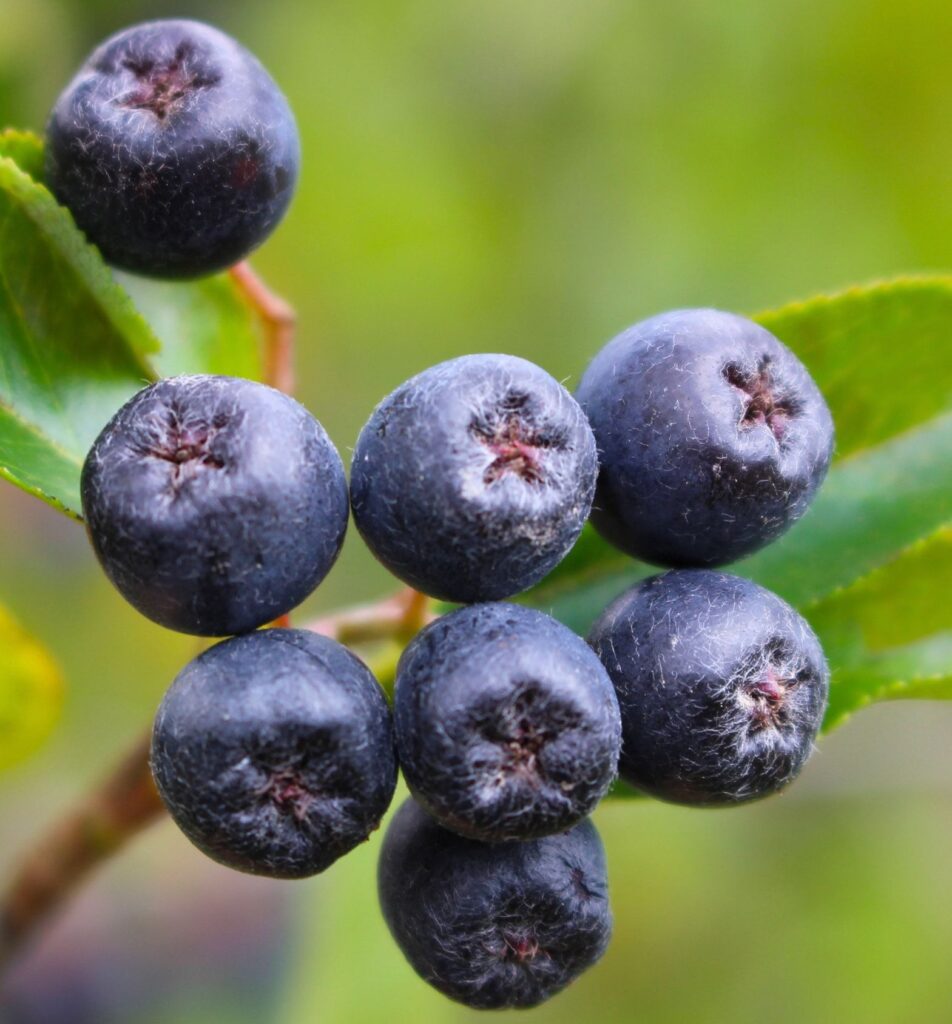
The aronia berry belongs to the genus Aronia in the family Rosaceae. The common name “chokeberry” refers to the same berries — it comes from the fruit’s intensely astringent, mouth-puckering taste when eaten raw. The tannins in the skin cause a drying, “choking” sensation in the mouth, which is how the name came about.
In North American English, both names are used, but there’s a meaningful marketing difference: “aronia berry” has become the preferred commercial name, particularly for health products, because it sounds more appealing than “chokeberry” to modern consumers. You’ll often see health products, supplements, and juices marketed under the aronia name even though the scientific genus name is Aronia and the folk name is chokeberry.
The Three Species of Aronia (Chokeberry)
There are three main species within the Aronia genus, each with slightly different characteristics:
| Common Name | Scientific Name | Berry Colour | Notes |
|---|---|---|---|
| Black chokeberry | Aronia melanocarpa | Deep purple-black | Most widely cultivated; highest anthocyanin content; used in most commercial products |
| Red chokeberry | Aronia arbutifolia | Bright red | Higher ornamental value; less commonly used commercially; lower antioxidant concentration |
| Purple chokeberry | Aronia prunifolia | Dark purple | Natural hybrid between black and red; sometimes cultivated; intermediate properties |
When you see “aronia berry” or “chokeberry” on a health product, it almost always refers to Aronia melanocarpa (black chokeberry) — the species with the highest concentration of anthocyanins and the best-studied nutritional profile. This is the variety used in AroJuice by Welsdom.
Is “Chokeberry” Confused with “Chokecherry”?
Yes — and this is a common source of confusion. Chokeberry (Aronia) and chokecherry (Prunus virginiana) are completely different plants. Chokecherry belongs to the Prunus genus (same family as cherries, plums, and peaches) and is native to North America. While chokecherries have their own nutritional properties, they are not the same as aronia berries, contain no comparable anthocyanin concentrations, and are not typically the ingredient used in commercial aronia health products.
Quick tip: when shopping, always check that products list Aronia melanocarpa or “aronia berry” in the ingredients — not chokecherry.
Where Are Aronia Berries Grown?
Aronia melanocarpa is native to eastern North America — it has been part of Indigenous North American food traditions for centuries. Today, it is commercially grown in:
- Eastern Europe: Poland is the world’s largest producer of aronia berries, with significant cultivation in Russia, Ukraine, Denmark, and Germany. Many commercial aronia juice products source from European farms.
- North America: Aronia cultivation is growing in parts of the United States (especially the Midwest and Pacific Northwest) and in Eastern Canada (Ontario and Quebec). North American-grown aronia tends to be of high quality given climatic alignment with the plant’s native range.
- Scandinavia: Sweden and Finland have developing aronia industries, partly driven by interest in Nordic functional foods.
Why Does the Name You See on a Product Matter?
Whether a product uses “aronia” or “chokeberry” tells you little about quality — both are legitimate names for the same berry. What matters more is:
- Whether the species is specified (Aronia melanocarpa is the gold standard)
- Whether the product is pure aronia or blended with other juices or sweeteners
- The processing method (cold-pressed retains more polyphenols than heat-pasteurized)
- Whether a Certificate of Analysis or antioxidant assay data is available
AroJuice: Pure Aronia Melanocarpa Juice, Cold-Pressed
AroJuice by Welsdom uses 100% Aronia melanocarpa — the black chokeberry species with the highest anthocyanin content. It’s cold-pressed to preserve the full polyphenol matrix, with no added sugar, no other juice blends, and no preservatives. Whether you call it aronia berry juice or chokeberry juice, you’re getting the same thing — and AroJuice delivers the purest version available in Canada.
Shop AroJuice (Aronia/Chokeberry Juice) in Canada →
New to aronia? Read our complete guide to aronia berry nutrition and health benefits.