
New to private label? Download our free 20-page guide to launching your first product.
Is Aronia Berry Juice Good for Antioxidants? The Science Explained
Is aronia berry juice good for antioxidants? The short answer is yes — aronia berry juice is not just good for antioxidants, it is one of the single most antioxidant-dense foods or beverages you can consume. But the more valuable answer requires understanding what antioxidants actually are, why they matter, how aronia’s antioxidant profile compares to other popular options, and what the science says about whether drinking aronia berry juice delivers meaningful antioxidant benefits in the human body. This guide breaks it all down.
Aronia Berry Juice Antioxidants: What They Are and Why They Matter
Antioxidants are molecules that neutralize free radicals — unstable oxygen-containing molecules that cause oxidative damage to cells, proteins, and DNA. Oxidative stress, which occurs when free radical production exceeds the body’s antioxidant defenses, is a central mechanism in the development of cardiovascular disease, neurodegenerative diseases like Alzheimer’s, type 2 diabetes, certain cancers, and the general biological process of aging. Dietary antioxidants — obtained from fruits, vegetables, and beverages — help reinforce the body’s natural antioxidant systems. Not all dietary antioxidants are equal in potency, bioavailability, or mechanism of action.
Aronia Berry Antioxidant Content: The Numbers
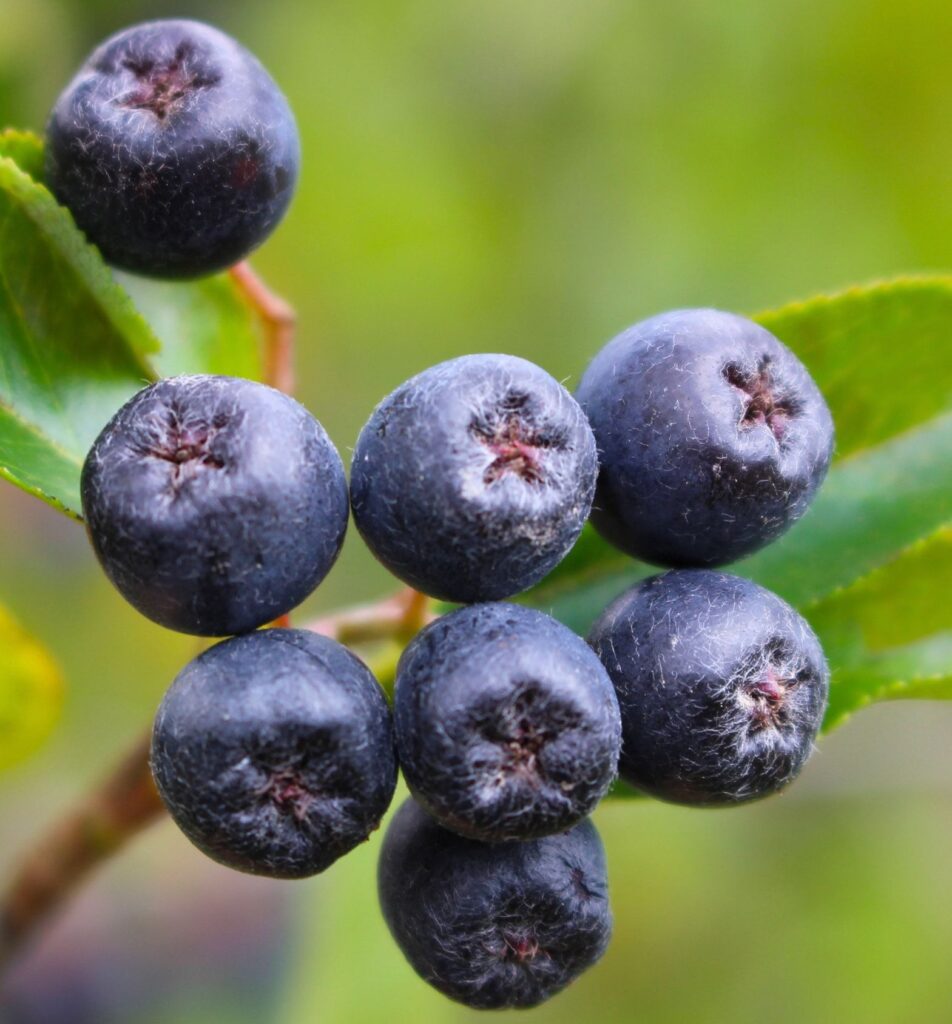
Aronia berry juice is good for antioxidants because of its exceptional concentrations of multiple antioxidant compound classes. Anthocyanins in aronia berry range from 1,200 to 1,480 mg per 100g of fresh berry — among the highest of any fruit measured. Total polyphenols in aronia berries have been measured at 1,752 to 8,000 mg gallic acid equivalents per 100g depending on variety and measurement method. The ORAC value of aronia berries ranges from 14,000 to 21,000 μmol TE per 100g — compared to 4,669 for blueberry, 9,090 for pomegranate, 5,065 for acai, and 3,747 for strawberry.
Key Antioxidant Compounds in Aronia Berry Juice
Aronia berry juice contains a diverse and synergistic array of antioxidant compounds. Cyanidin-3-galactoside is the dominant anthocyanin and primary driver of aronia’s deep purple-black colour and most significant antioxidant activity. Chlorogenic acid and neochlorogenic acid are potent hydroxycinnamic acid antioxidants with anti-diabetic and cardiovascular protective properties. Proanthocyanidins (condensed tannins) are oligomeric compounds with strong free radical scavenging and anti-inflammatory activity. Quercetin and rutin are flavonols with established antioxidant, anti-inflammatory, and antiviral properties. Epicatechin is a flavanol also found in dark chocolate and green tea, associated with cardiovascular benefits. The interaction of these multiple compound classes creates an antioxidant effect that is greater than the sum of its parts.
Does Aronia Berry Juice Deliver Antioxidants to the Body?
A critical question for any antioxidant-rich food is bioavailability — whether the antioxidant compounds are actually absorbed and used by the body after consumption. Human clinical studies measuring plasma antioxidant capacity after aronia berry juice consumption have confirmed meaningful increases in blood antioxidant activity. Studies measuring 8-isoprostane (a biomarker of oxidative stress) and malondialdehyde (MDA) levels in subjects consuming aronia juice have shown significant reductions in these oxidative stress markers, confirming that aronia polyphenols are absorbed and exert measurable antioxidant effects in the body.
Aronia Berry Juice vs Other Antioxidant Beverages
When comparing aronia berry juice to other antioxidant beverages on the market, aronia consistently ranks at or near the top. Versus green tea: aronia juice contains higher total polyphenol concentrations per 100ml serving. Versus pomegranate juice: aronia has higher anthocyanin content and comparable total polyphenol density. Versus acai juice: aronia berry juice (pure, unsweetened) typically has higher polyphenol content than commercial acai products, which are often diluted with other juices. Versus cranberry juice: aronia has higher ORAC values and higher anthocyanin content, while both are excellent sources of proanthocyanidins for urinary and gut health.
HPP Processing Preserves Aronia Berry Antioxidants
One important consideration for aronia berry juice quality is how the juice is processed. Heat pasteurization degrades anthocyanins and other heat-sensitive polyphenols, potentially reducing the antioxidant value of the finished product. High Pressure Processing (HPP) — a cold pasteurization technology — preserves up to 95% of aronia’s polyphenol content while meeting food safety requirements. For brands making antioxidant claims on their aronia juice products, choosing HPP processing over conventional heat pasteurization is critical for product integrity and regulatory defensibility.
Aronia Berry Juice Antioxidant Claims in Canada
In Canada, Health Canada permits specific antioxidant health claims for food and natural health products that meet established criteria. Aronia berry juice products with demonstrated polyphenol content can qualify for antioxidant source claims and, with appropriate clinical substantiation, more specific health claims related to cardiovascular and cellular health. Welsdom Labs works with brands to develop aronia juice formulations that are both clinically sound and Health Canada compliant. Contact us to learn how we can help you develop and launch an aronia berry antioxidant juice product.