
New to private label? Download our free 20-page guide to launching your first product.
Aronia Berry vs Acai: Which Superfruit Is Better?
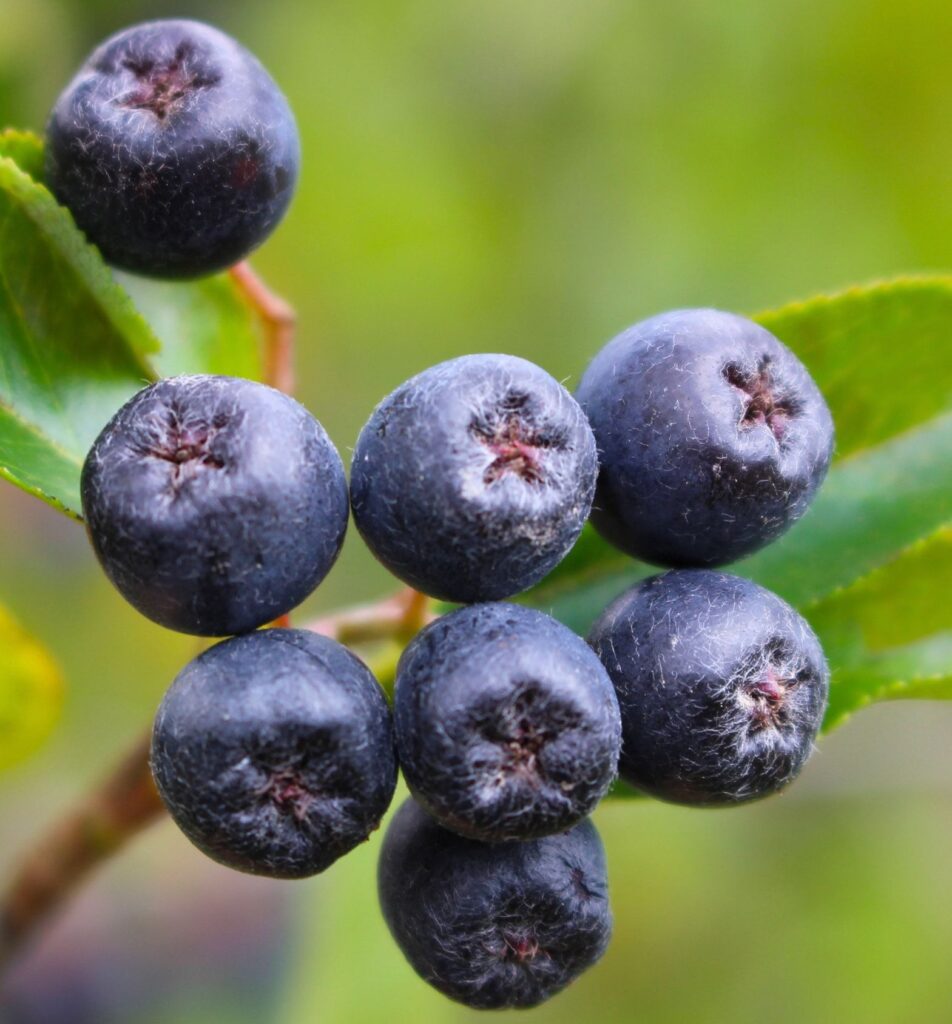
Acai has dominated the superfood conversation for over a decade — it’s the star of countless smoothie bowls, wellness brands, and health food aisle products. But a lesser-known North American berry is quietly outperforming it in multiple nutritional categories: the aronia berry (chokeberry). In this direct comparison, we look at ORAC scores, anthocyanin content, macronutrients, and practical considerations to help you decide which superfruit deserves a place in your wellness routine — or whether you need to choose at all.
Head-to-Head Nutritional Comparison
| Metric | Aronia Berry | Acai Berry |
|---|---|---|
| ORAC Score (per 100g) | 16,000–21,000 | 15,000–16,600 |
| Anthocyanins (mg/100g) | 1,480–1,750 | 320–535 |
| Vitamin C (mg/100g) | 21 mg | Trace (negligible) |
| Dietary Fibre (g/100g) | 5.3 g | 2.0 g |
| Calories (per 100g) | 47 kcal | 70–247 kcal* |
| Fat (per 100g) | 0.1 g | 5 g (mostly oleic acid) |
| Omega-9 fatty acids | Negligible | Significant (oleic acid) |
| Total Polyphenols (mg/100g) | 1,752–8,000+ | ~1,627 |
| Availability in Canada | Online (fresh/juice) | Frozen pulp, powder (widely) |
| Native to | Eastern North America | Amazon rainforest, Brazil |
*Acai calorie ranges vary significantly between fresh pulp and processed/sweetened products.
Anthocyanin Content: Aronia Wins by a Wide Margin
This is perhaps the most striking comparison: aronia berries contain roughly 3–5x more anthocyanins than acai. Anthocyanins are the deep-purple plant pigments most directly responsible for both berries’ antioxidant and anti-inflammatory research interest. Aronia’s cyanidin-3-galactoside and cyanidin-3-arabinoside are among the most studied anthocyanins in the scientific literature.
For people specifically seeking anthocyanin-rich foods for cardiovascular, immune, or anti-inflammatory support, aronia delivers a significantly larger dose per gram.
Where Acai Has the Edge
Acai isn’t without its advantages:
- Healthy fats: Acai is rich in oleic acid (omega-9), the same heart-healthy fat found in olive oil. This makes acai an excellent source of plant-based healthy fats — something aronia doesn’t provide.
- Taste and versatility: Acai has a mild, chocolate-berry flavour that makes it naturally palatable in smoothie bowls, blended drinks, and desserts. Aronia is intensely tart and more commonly consumed as a shot or blended with other ingredients.
- Availability: Frozen acai pulp and acai powder are widely available in Canadian supermarkets, health food stores, and Costco. Pure aronia juice is most conveniently purchased online.
- Vitamin E: Acai contains more Vitamin E than aronia, supporting its antioxidant profile from a fat-soluble vitamin perspective.
ORAC Comparison: A Closer Race
Acai actually performs respectably on ORAC scores — some sources cite fresh acai pulp at 15,000–16,600 ORAC units per 100g, which overlaps with lower aronia readings. However, aronia consistently reaches 16,000–21,000 ORAC units per 100g when measured at peak ripeness, and many studies report values at the higher end of that range. On a head-to-head ORAC comparison, aronia edges ahead — and on anthocyanin content specifically, the gap is much larger.
Cost Comparison
Acai products vary widely in cost. Frozen acai packets (100g serving) typically retail for $3–6 CAD per serving, and acai bowls at cafés range from $14–22. Pure cold-pressed aronia juice like AroJuice, consumed as a 30ml daily shot, costs significantly less per serving — making it one of the most cost-effective high-antioxidant supplements available.
Which Is Better for You?
The honest answer: it depends on what you’re optimizing for.
- For maximum anthocyanin and polyphenol intake: Aronia wins clearly. If your primary interest is antioxidant density, anti-inflammatory support, or cardiovascular-adjacent polyphenol intake, aronia delivers more per gram.
- For healthy fats and versatile taste: Acai is better. If you want a superfood that also provides healthy fatty acids and works in smoothie bowls and breakfast recipes, acai is more practical and appealing.
- For cost-effective daily antioxidant supplementation: Aronia, consumed as a daily shot of cold-pressed juice, offers exceptional value for money.
- For availability in Canadian stores: Acai is more widely stocked in physical retail.
Why Not Both?
There’s no reason to choose exclusively between aronia and acai. They have complementary nutritional profiles — aronia’s anthocyanin richness pairs well with acai’s healthy fats and Vitamin E. A practical approach: take a daily aronia juice shot for concentrated polyphenol intake, and enjoy acai bowls or smoothies as an occasional nutrition-dense meal.
The Bottom Line
Aronia berry and acai are both genuinely impressive superfruits — but aronia is significantly underrated compared to acai’s celebrity status. If you’re already familiar with acai and its benefits, aronia is worth adding to your repertoire: it delivers more anthocyanins, comparable or better ORAC performance, and costs less per serving as a daily wellness shot. The fact that it’s also native to North America means shorter supply chains and fresher product for Canadian consumers.
Ready to try the superfruit that outperforms acai on antioxidants? Shop AroJuice — Canada’s cold-pressed aronia berry juice →
Also read: Aronia Berry vs Blueberry — Antioxidant Comparison | Complete Aronia Berry Guide