
New to private label? Download our free 20-page guide to launching your first product.
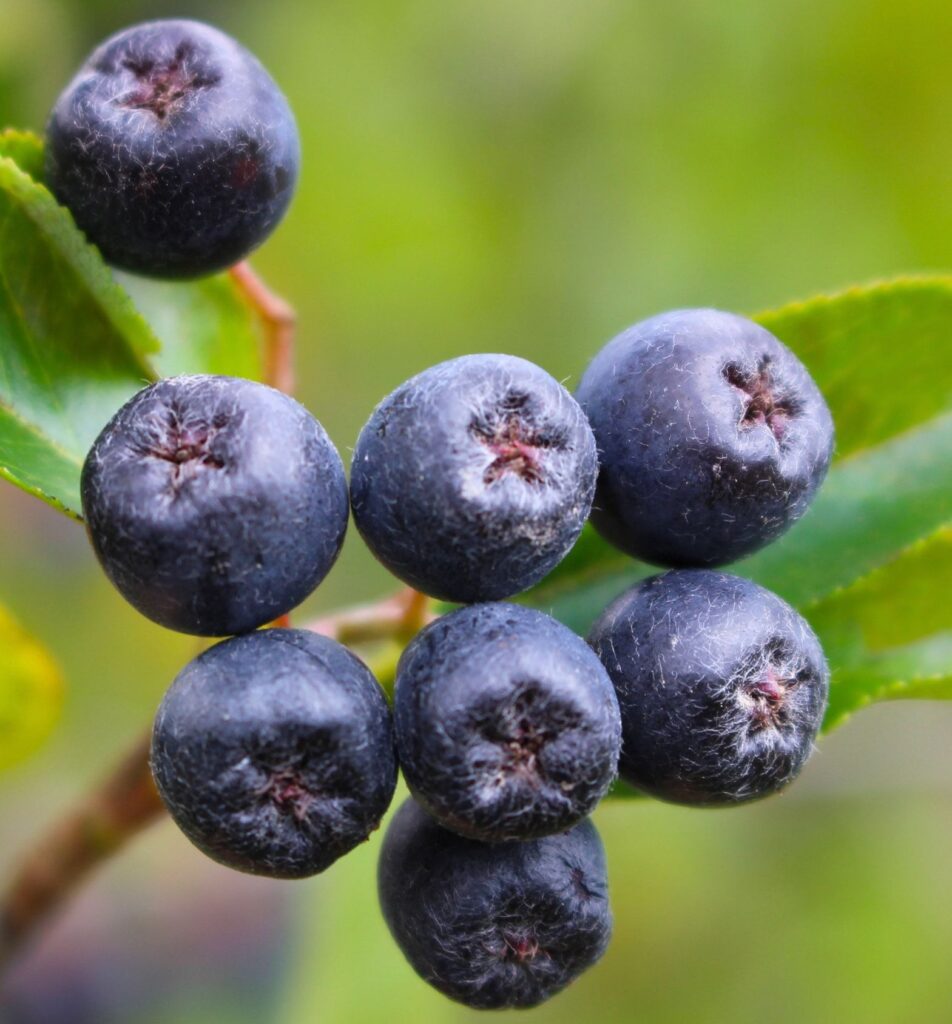
When it comes to antioxidant-rich superfruits, blueberries are the household name — celebrated in smoothies, breakfast bowls, and health marketing worldwide. But there’s a newer contender that’s quietly outperforming the blueberry in almost every measurable nutritional category: the aronia berry (chokeberry). In this head-to-head comparison, we break down the science behind both fruits so you can make an informed choice for your wellness routine.
The Quick Answer: Aronia Berry Wins on Antioxidants
The ORAC (Oxygen Radical Absorbance Capacity) score is the most widely used measure of antioxidant power in foods. Here’s how aronia and blueberries compare:
| Metric | Aronia Berry | Blueberry |
|---|---|---|
| ORAC Score (per 100g) | 16,000–21,000 | 4,600 |
| Anthocyanins (mg/100g) | 1,480–1,750 | 163–487 |
| Vitamin C (mg/100g) | 21 | 9.7 |
| Dietary Fibre (g/100g) | 5.3 | 2.4 |
| Calories (per 100g) | 47 kcal | 57 kcal |
| Total Polyphenols (mg/100g) | 1,752–8,000+ | 836 |
Aronia berries contain 3–4x more anthocyanins than blueberries and score roughly 3.5–4.5x higher on the ORAC scale. By pure antioxidant measurement, aronia is not even close — it’s in a different league.
Anthocyanins: The Key Antioxidant Compound
Both aronia and blueberries owe much of their antioxidant activity to anthocyanins — the plant pigments responsible for deep red, purple, and blue colours in fruits. Anthocyanins are associated with:
- Neutralizing free radicals that contribute to cellular oxidative stress
- Supporting healthy inflammatory responses
- Promoting cardiovascular wellness
- Supporting cognitive function (ongoing research)
Aronia berries contain cyanidin-3-galactoside as their dominant anthocyanin — a particularly well-studied compound. Blueberries contain a mix of anthocyanins (delphinidin, malvidin, cyanidin, petunidin, peonidin), each with slightly different properties. Both are excellent dietary sources; aronia just delivers significantly more per gram.
Taste and Palatability
This is where blueberries win decisively. Blueberries are sweet, mild, and delicious eaten raw — a universally appealing fruit for all ages. Aronia berries, on the other hand, are intensely tart and astringent when eaten raw. The same tannins that give aronia its extraordinary antioxidant profile also make it unpalatable as a fresh snack for most people.
This is why aronia juice is the most popular format — the cold-pressed juice concentrates the nutritional value while making it much easier to consume as a daily shot or mixed into other drinks. Products like AroJuice by Welsdom deliver pure aronia nutrition in a convenient 30–60ml daily serving.
Availability and Price
Blueberries are available year-round in virtually every Canadian grocery store, fresh or frozen, at relatively low prices. Aronia berries are far less widely available in fresh or frozen form — but aronia juice and aronia supplements are increasingly accessible online, shipped directly to your door.
For context, a 500ml bottle of cold-pressed aronia juice delivers the nutritional equivalent of a very large quantity of fresh berries in a convenient, shelf-stable format. The cost per serving compares favourably when you consider the antioxidant density being delivered.
Nutritional Comparison: Beyond Antioxidants
| Nutrient | Aronia Berry (100g) | Blueberry (100g) |
|---|---|---|
| Vitamin C | 21 mg (23% DV) | 9.7 mg (11% DV) |
| Vitamin K | 13.6 mcg (11% DV) | 19 mcg (16% DV) |
| Manganese | 0.6 mg (26% DV) | 0.3 mg (13% DV) |
| Folate | 16 mcg (4% DV) | 6 mcg (2% DV) |
| Potassium | 162 mg | 77 mg |
| Dietary Fibre | 5.3 g | 2.4 g |
Aronia delivers more Vitamin C, more manganese, more folate, and more than double the dietary fibre per 100g. Blueberries edge ahead only on Vitamin K content. Overall, aronia is nutritionally superior across most markers.
Can You Combine Aronia and Blueberry?
Absolutely — and it’s a great idea. Many people add aronia juice to blueberry smoothies, giving them the best of both worlds: blueberry’s pleasant sweetness helps balance aronia’s tartness, while the combined polyphenol and anthocyanin profile becomes even more impressive. Try blending 30ml AroJuice with 100g frozen blueberries, a banana, and your choice of plant milk for a genuinely antioxidant-powerhouse breakfast smoothie.
The Verdict
If you’re choosing between aronia berry and blueberry purely on antioxidant density and polyphenol content, aronia wins by a wide margin. If you’re choosing based on taste and ease of eating, blueberries are the clear winner. The good news: you don’t have to choose. Use aronia as a concentrated daily supplement (via juice or extract) and enjoy blueberries as a whole food — and you’ll be getting the best of both.
Ready to add aronia to your routine? Shop AroJuice — Canada’s cold-pressed aronia berry juice →
Learn more: Complete Aronia Berry Guide — Benefits, Nutrition & How to Use It