
New to private label? Download our free 20-page guide to launching your first product.
Aronia Berry vs Blueberry: Which Superfruit Has More Antioxidants?
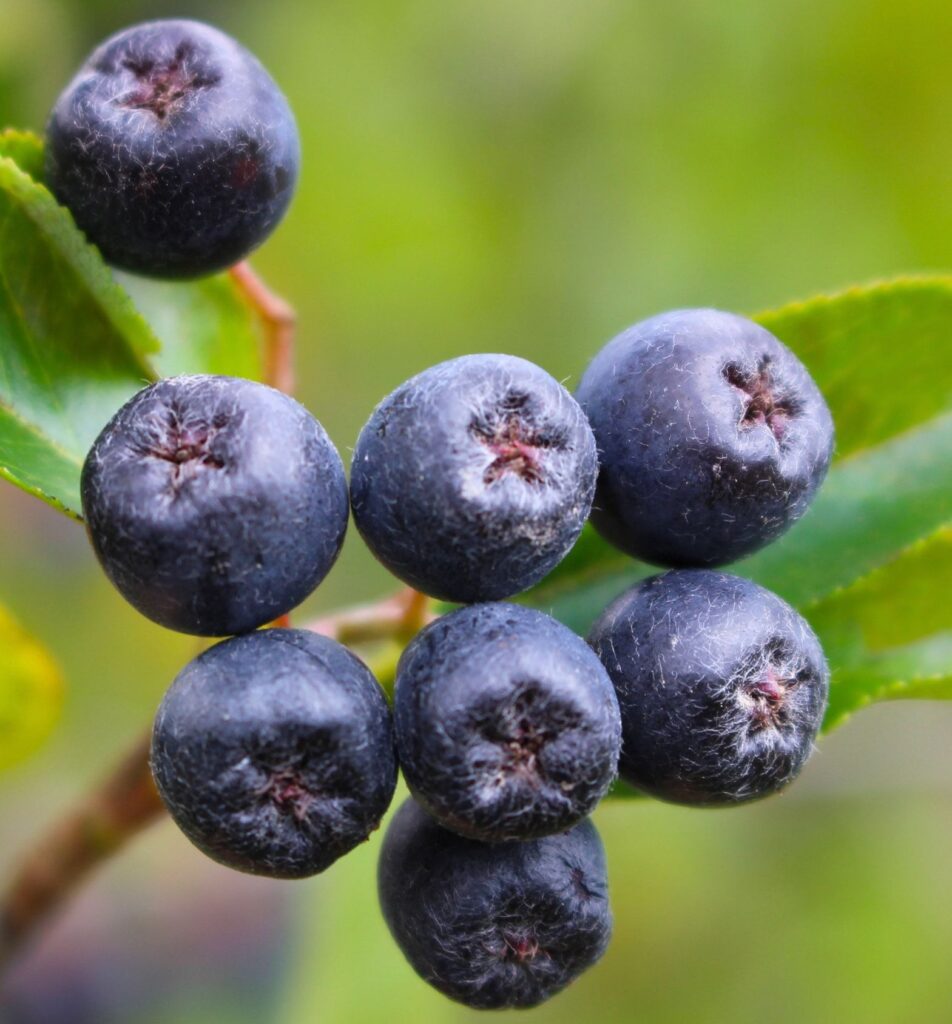
Aronia berry vs blueberry — it’s a matchup that nutrition researchers and superfruit enthusiasts have been closely examining. Both fruits carry impressive antioxidant credentials and have earned their place in the health food spotlight. But when you compare them directly across key nutritional metrics, one clear winner emerges. In this guide, we put aronia and blueberry head-to-head across antioxidant content, polyphenol density, taste, versatility, and commercial potential to help you decide which superfruit deserves a place in your diet or your product formulation.
Aronia Berry vs Blueberry: A Nutritional Overview
Both aronia berries and blueberries belong to the berry family and share some nutritional characteristics, including dietary fibre, Vitamin C, and manganese. However, when it comes to the phytochemicals that drive the most significant health benefits — anthocyanins, proanthocyanidins, and total polyphenols — aronia berry significantly outperforms blueberry on a gram-for-gram basis.
Antioxidant Content: Aronia vs Blueberry
The ORAC (Oxygen Radical Absorbance Capacity) value is a widely used measure of antioxidant potency in foods. Fresh aronia berries have an ORAC value of approximately 16,000 μmol TE per 100g, compared to approximately 4,669 μmol TE per 100g for fresh blueberries. This means aronia berries contain roughly 3 to 4 times the antioxidant potency of blueberries by weight. When comparing anthocyanin content specifically — the compounds most strongly linked to cardiovascular and cognitive health benefits — aronia berries contain up to 1,480 mg of anthocyanins per 100g, while blueberries typically contain 163 to 400 mg per 100g. Aronia’s anthocyanin advantage is approximately 4 to 9 times that of blueberry.
Polyphenol Density
Beyond anthocyanins, aronia berries contain exceptionally high levels of proanthocyanidins (condensed tannins), chlorogenic acid, neochlorogenic acid, and quercetin. These compounds contribute to aronia’s broad-spectrum antioxidant and anti-inflammatory activity. Blueberries, while a genuinely polyphenol-rich fruit, simply do not match aronia’s total polyphenol density. For functional beverage and supplement formulators seeking maximum antioxidant payload in a juice format, aronia is the more efficient ingredient on a per-gram basis.
Health Benefits: Aronia vs Blueberry
Blueberries have been extensively studied and are strongly associated with cognitive health and memory improvement, cardiovascular health through blood pressure reduction, anti-inflammatory effects, and blood sugar regulation. Aronia berries share many of these benefits and in several clinical areas show superior activity, including more potent cardiovascular effects (greater LDL cholesterol reduction), stronger anti-inflammatory cytokine suppression, more significant blood pressure reductions in hypertensive subjects, and comparable or superior liver-protective effects. Both fruits offer genuine, evidence-based health benefits. Aronia’s edge lies primarily in the concentration and breadth of its polyphenol profile.
Taste and Consumer Experience
Blueberries are sweet, mild, and universally appealing — one of the most popular fruits in North America for fresh consumption, smoothies, baked goods, and yogurt. Aronia berries, by contrast, are intensely astringent and tart when raw, which limits their appeal as a fresh-eating fruit but makes them ideal for concentrated juice formulations. In commercial juice and beverage products, aronia is typically paired with apple juice, grape juice, or sweeter berry blends to moderate its intensity and create a more approachable flavour profile. The key insight for brand developers: aronia delivers superior nutritional credentials in a format that requires thoughtful flavour formulation, while blueberry is easier to use in applications requiring fresh or whole-fruit appeal.
Commercial Potential: Aronia vs Blueberry
Blueberry is a mature, highly competitive market with significant price pressure and abundant supply. Aronia berry, while still emerging in North American consumer consciousness, represents a genuinely differentiated superfruit ingredient with a compelling story: higher antioxidants than blueberry, wild and cultivated heritage, unique deep-purple colour, and growing clinical evidence. For private label juice brands and supplement companies looking to differentiate from blueberry-saturated competitors, aronia offers a credible, science-backed alternative with strong retail positioning potential.
Which Is Better: Aronia Berry or Blueberry?
If your goal is maximum antioxidant and polyphenol intake, aronia berry wins — by a significant margin. If your priority is versatility, fresh-eating appeal, or mainstream consumer familiarity, blueberry still holds advantages. For functional beverage formulations where antioxidant claims and ingredient credibility matter most, aronia is the superior choice. Many brands are now combining both: blueberry for flavour and familiarity, aronia for nutritional depth and differentiation.
At Welsdom Labs, we formulate private label aronia berry juice products, aronia-blueberry blends, and superfruit wellness shots for Canadian brands. Health Canada regulations support antioxidant claims for qualifying formulations, and our team handles the full process from custom formulation to NPN registration support. Contact Welsdom Labs to develop your superfruit juice product.